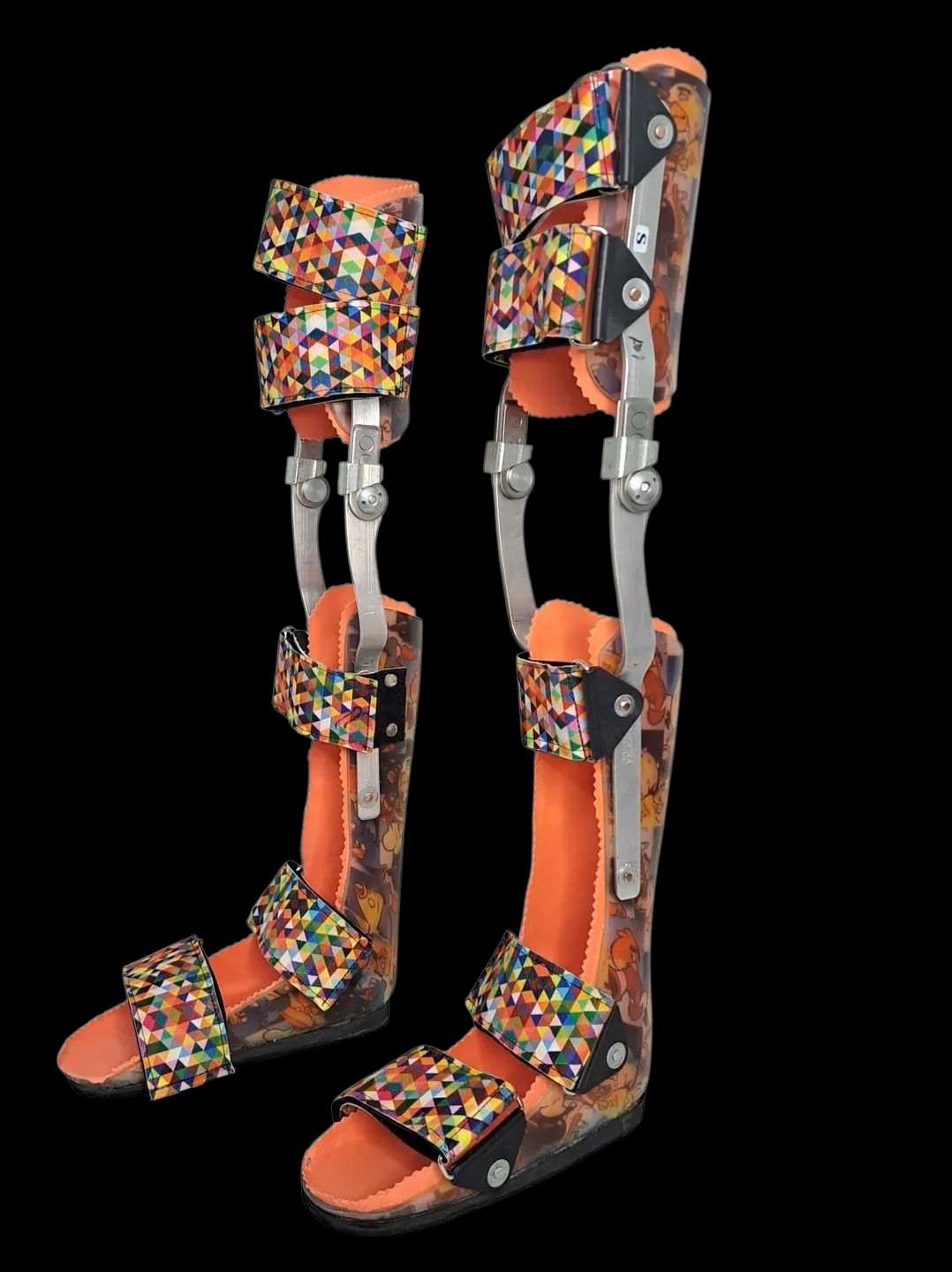
Knee Ankle Foot Orthoses
A Knee-Ankle-Foot Orthosis (KAFO) is a comprehensive, full-leg brace designed to provide support, stability, and correction for the entire lower limb, spanning the thigh, knee, A Knee-Ankle-Foot Orthosis (KAFO) is a comprehensive, full-leg brace designed to provide support, stability, and correction for the entire lower limb, spanning the thigh, knee, ankle, and foot.
Primary Function
To stabilize the knee joint (preventing buckling or hyperextension) while also controlling the ankle and foot. It acts as an external skeleton for the lower limb.
Key Components
Custom-molded thigh and calf sections connected by metal or carbon fiber uprights with a specialized knee joint and an Ankle-Foot Orthosis (AFO) component at the bottom.
Indications (Uses)
Prescribed for individuals with severe muscle weakness, paralysis, or significant joint instability affecting both the knee and ankle (e.g., Post-Polio Syndrome, Spinal Cord Injury, Muscular Dystrophy, or severe Stroke). |
Main Goal
To enable the user to stand and walk (ambulate) safely by ensuring joint alignment, reducing pain, and preventing unwanted or harmful motion.
⚙️ Types of KAFO Knee Joints
The knee joint mechanism is the most critical feature and determines the KAFO's function:
* Locked/Fixed KAFO: Provides maximum stability by manually locking the knee joint in a straight position. This prevents knee collapse but requires a less natural, high-energy gait (swinging the leg).
* Stance Control KAFO (SCKAFO): An advanced system that locks automatically during weight-bearing (stance phase) for stability and unlocks automatically during the swing phase (when the foot is lifted) to allow the knee to bend, leading to a much more natural and energy-efficient walking pattern.
* Microprocessor KAFO (MPKAFO): The most high-tech option (like the C-Brace), using sensors and microprocessors to continuously adapt the knee's resistance in real-time to the user's movements, providing optimal control on varying terrains and during stumble recovery.
The KAFO is essential for restoring standing and walking ability when lower limb control is severely compromised.
Would you like to know about the orthosis that extends even higher, the Hip-Knee-Ankle-Foot Orthosis (HKAFO)?
Lower limb
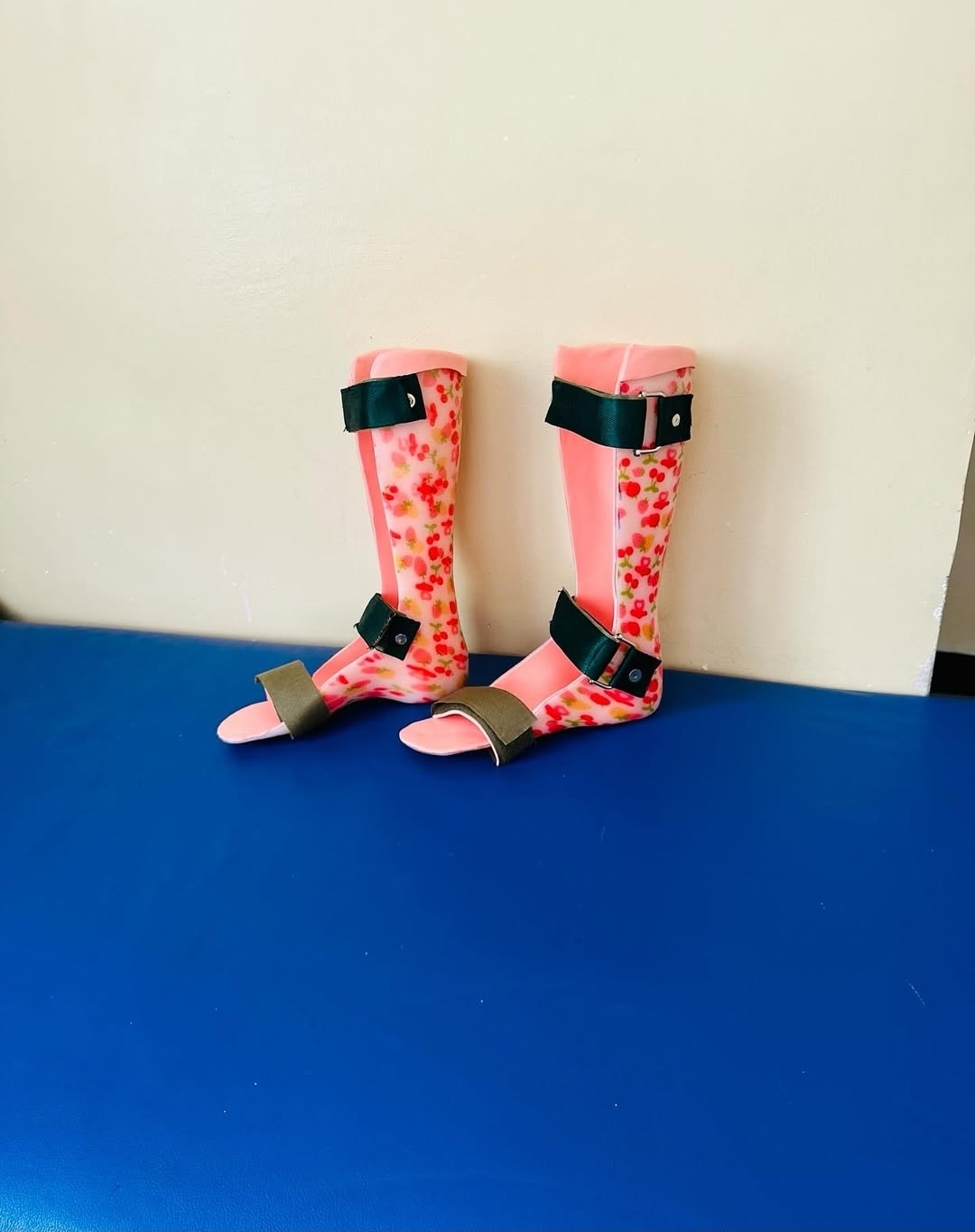
Ankle foot orthotics
An Ankle Foot Orthosis (AFO) is an external supportive device, or brace, that encompasses the lower leg, ankle, and foot. They are custom-made or off-the-shelf and typically extend from just below the knee down to the foot.
The main goals of prescribing an AFO are to improve a person's gait (walking pattern), stability, and mobility.
Support Weak Muscles: They are frequently used to treat foot drop (or "drop foot"), a condition where weakness in the muscles prevents the person from lifting the front part of the foot while walking. The AFO helps to lift the foot, clearing the toes and preventing tripping.
AFOs are used across a wide range of neurological and musculoskeletal disorders, including:
Stroke (Cerebrovascular Accident)
Cerebral Palsy (CP)
Multiple Sclerosis (MS)
Charcot-Marie-Tooth Disease
Spinal Cord Injury
Peroneal Nerve Injury
Severe Ankle Arthritis
Control Alignment: They stabilize the ankle and foot to ensure proper alignment, which is crucial for standing, balancing, and distributing weight efficiently.
Prevent/Correct Deformity: They can manage high or abnormal muscle tone (spasticity) to prevent the development of permanent joint deformities.
Improve Mobility: By providing stability and controlling the foot and ankle, AFOs can make walking safer, reduce the effort required, and allow the user to maintain activity for longer periods.
Pain Reduction: Proper alignment and support can reduce strain on injured joints or tendons, thereby alleviating pain associated with various foot and ankle conditions.
Lower limb
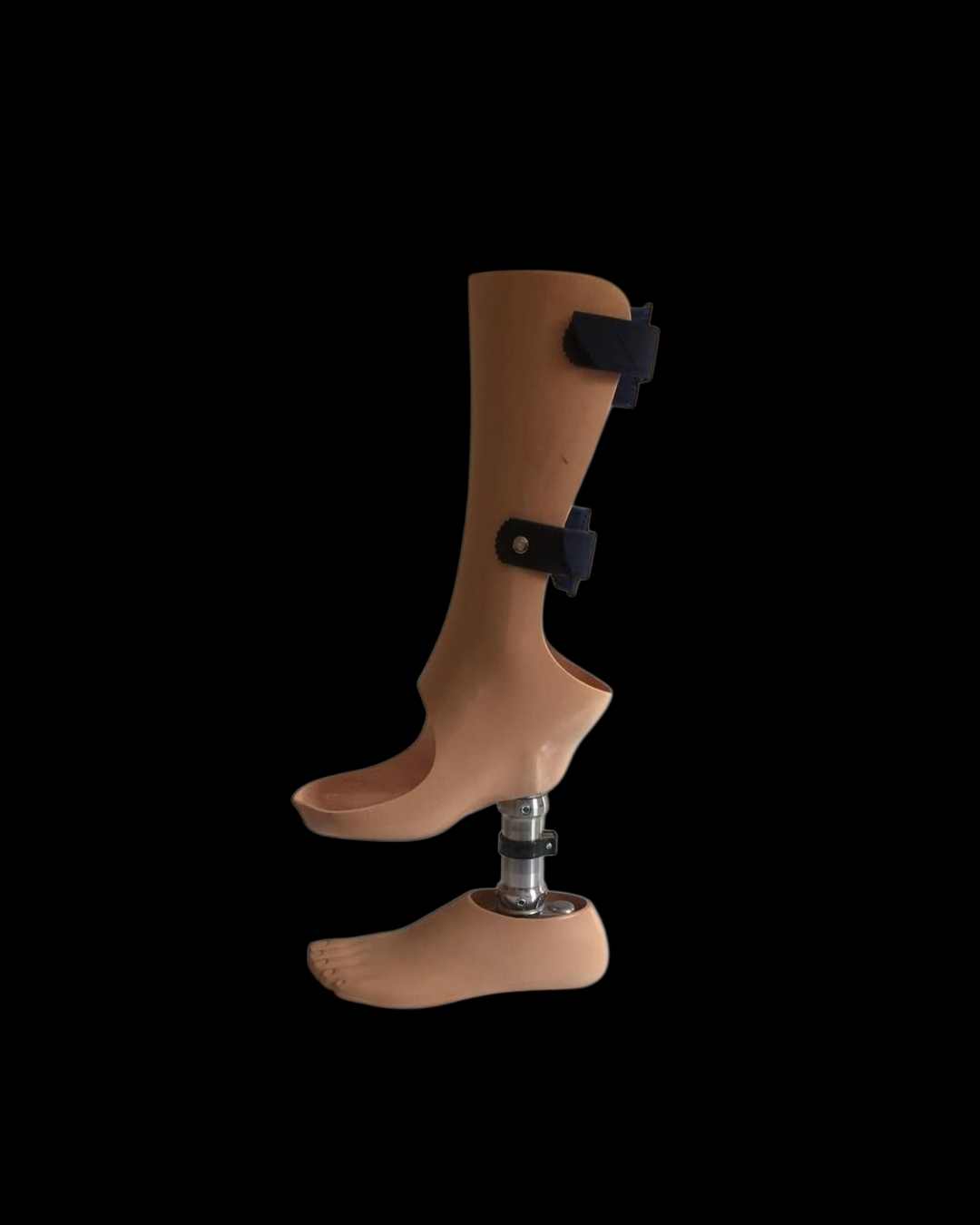
Ortho Prosthetics
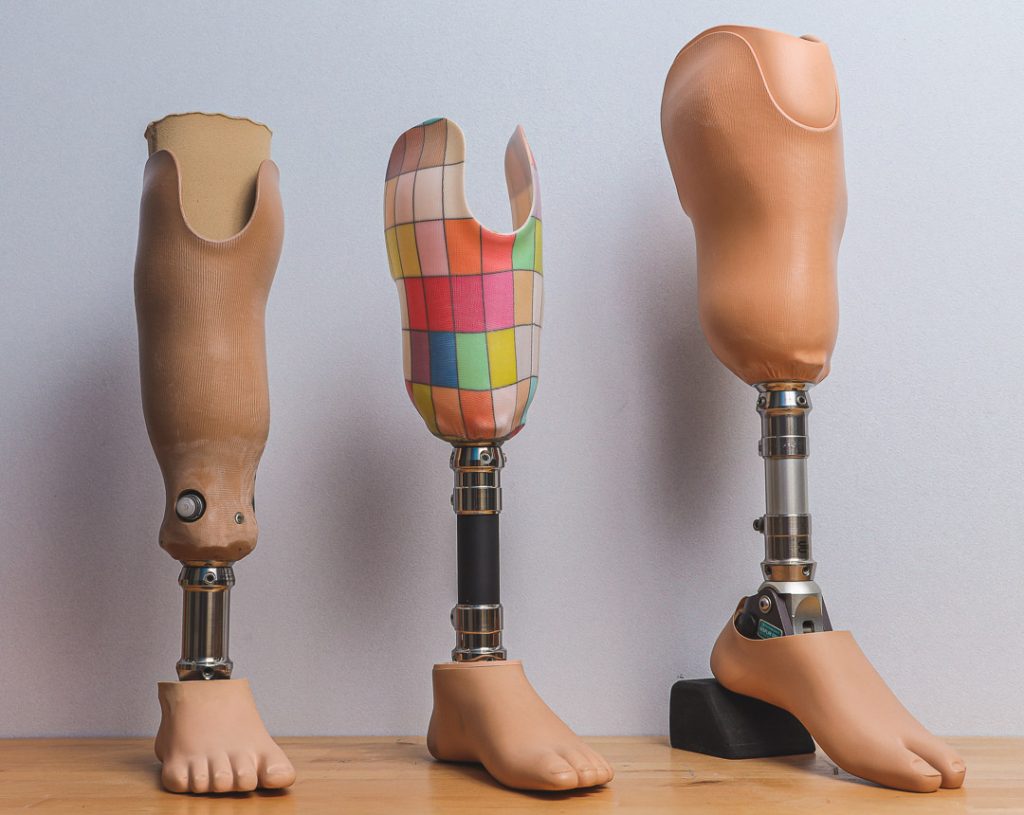
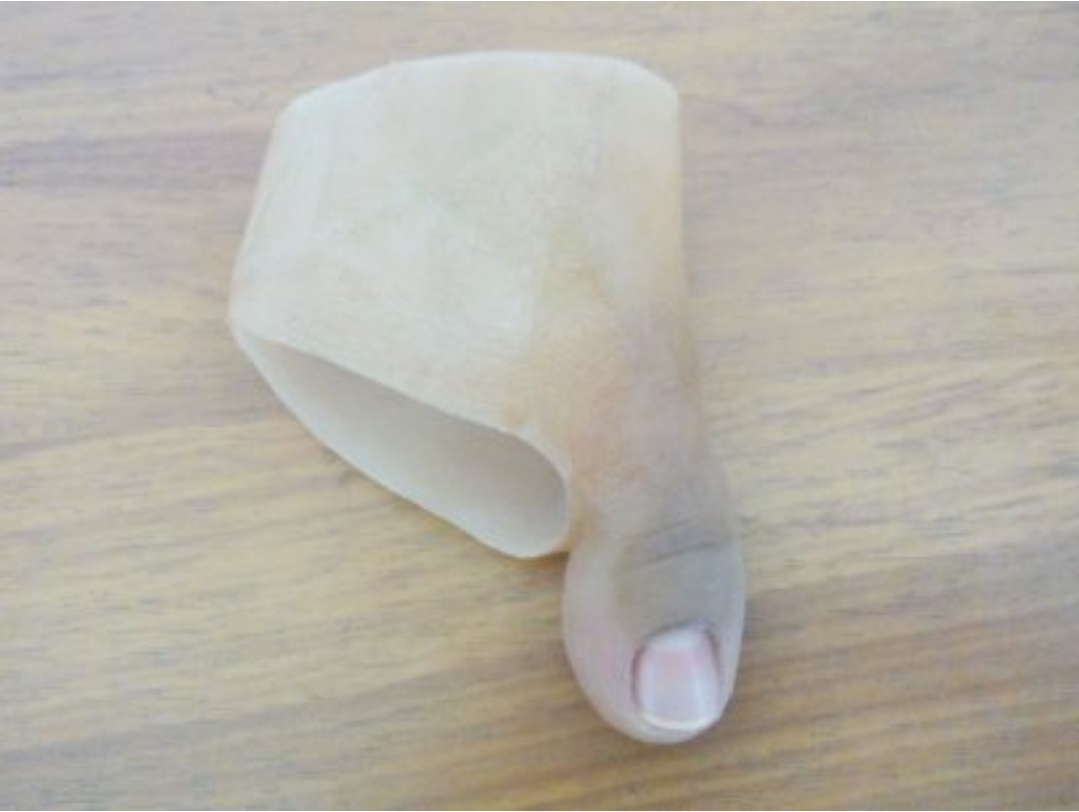
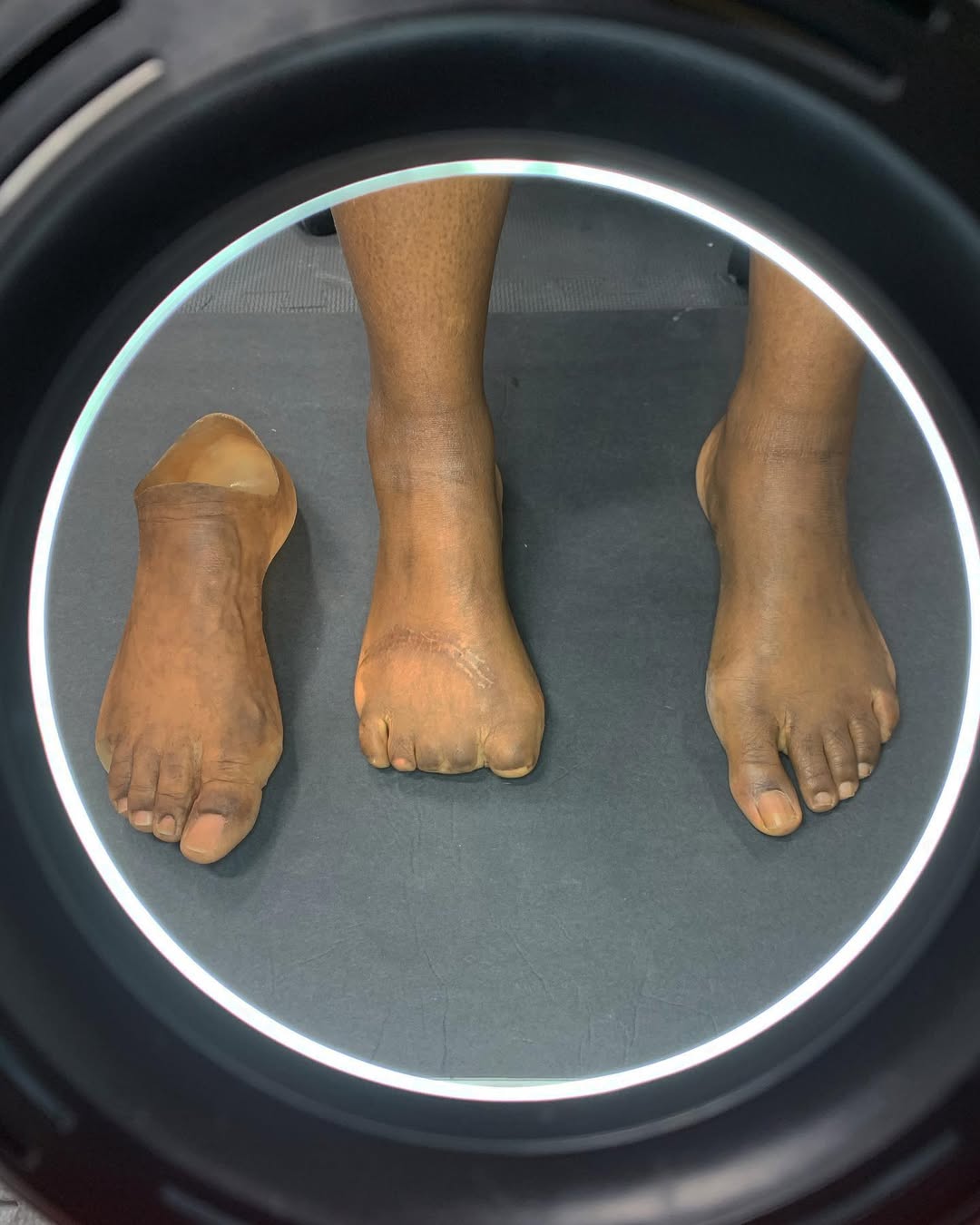
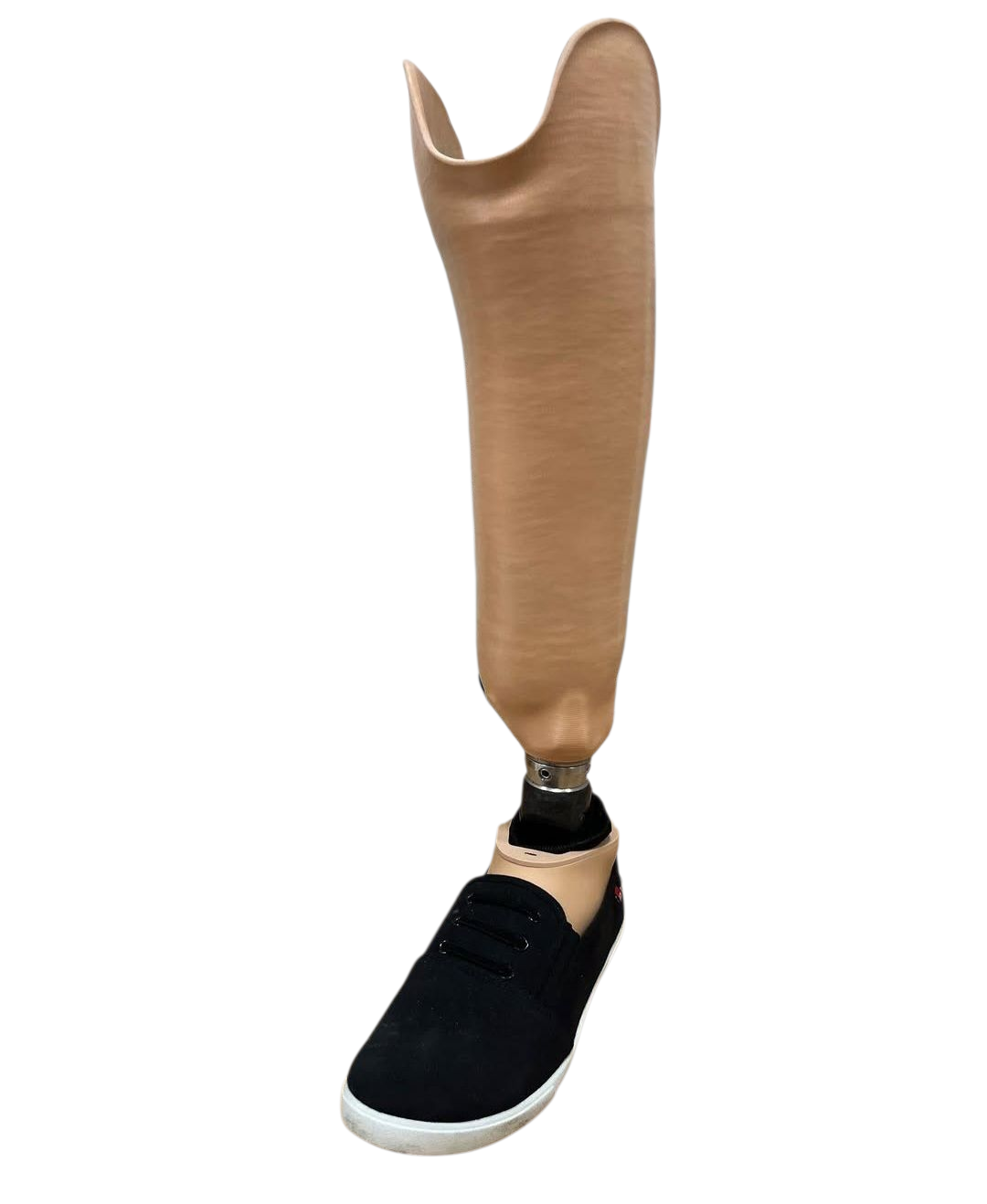
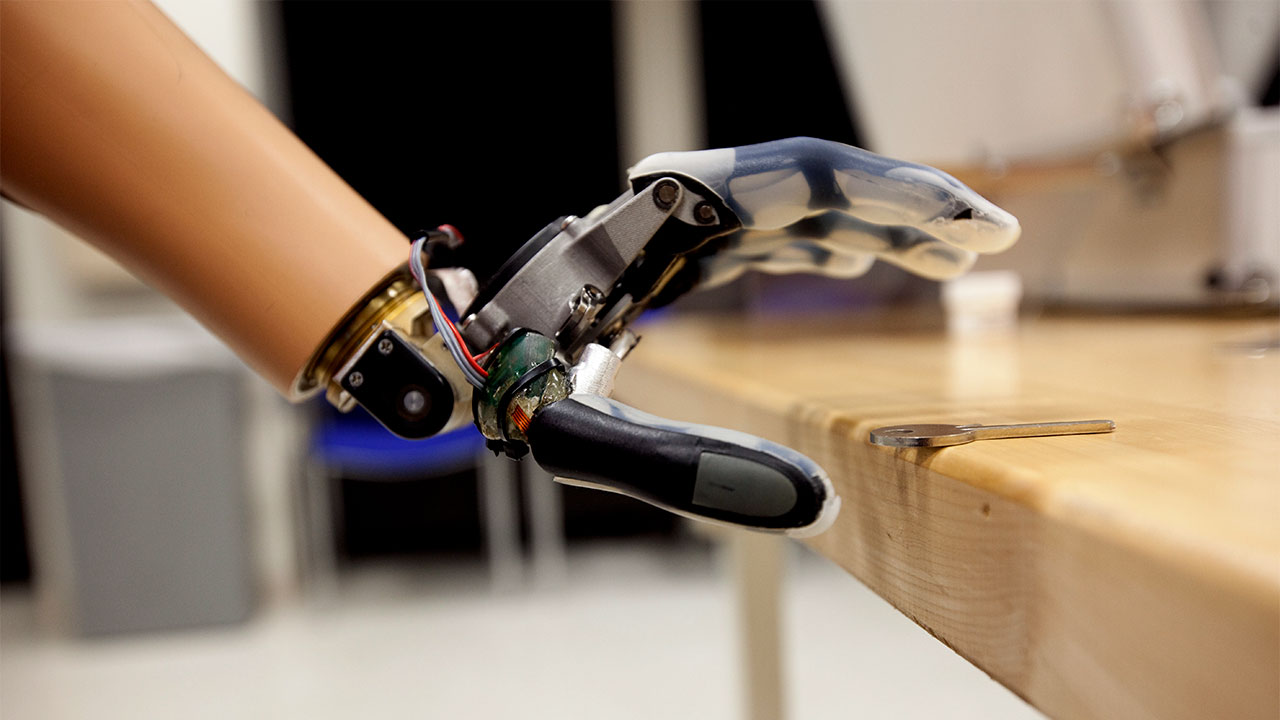
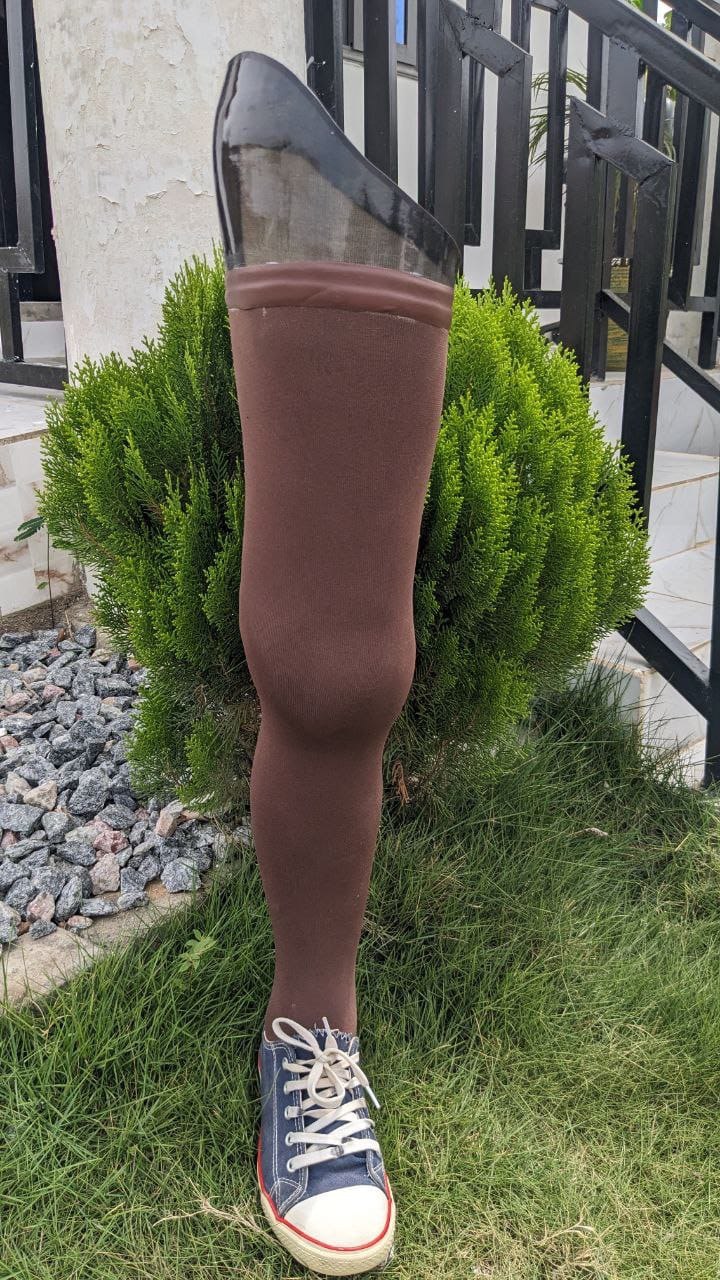
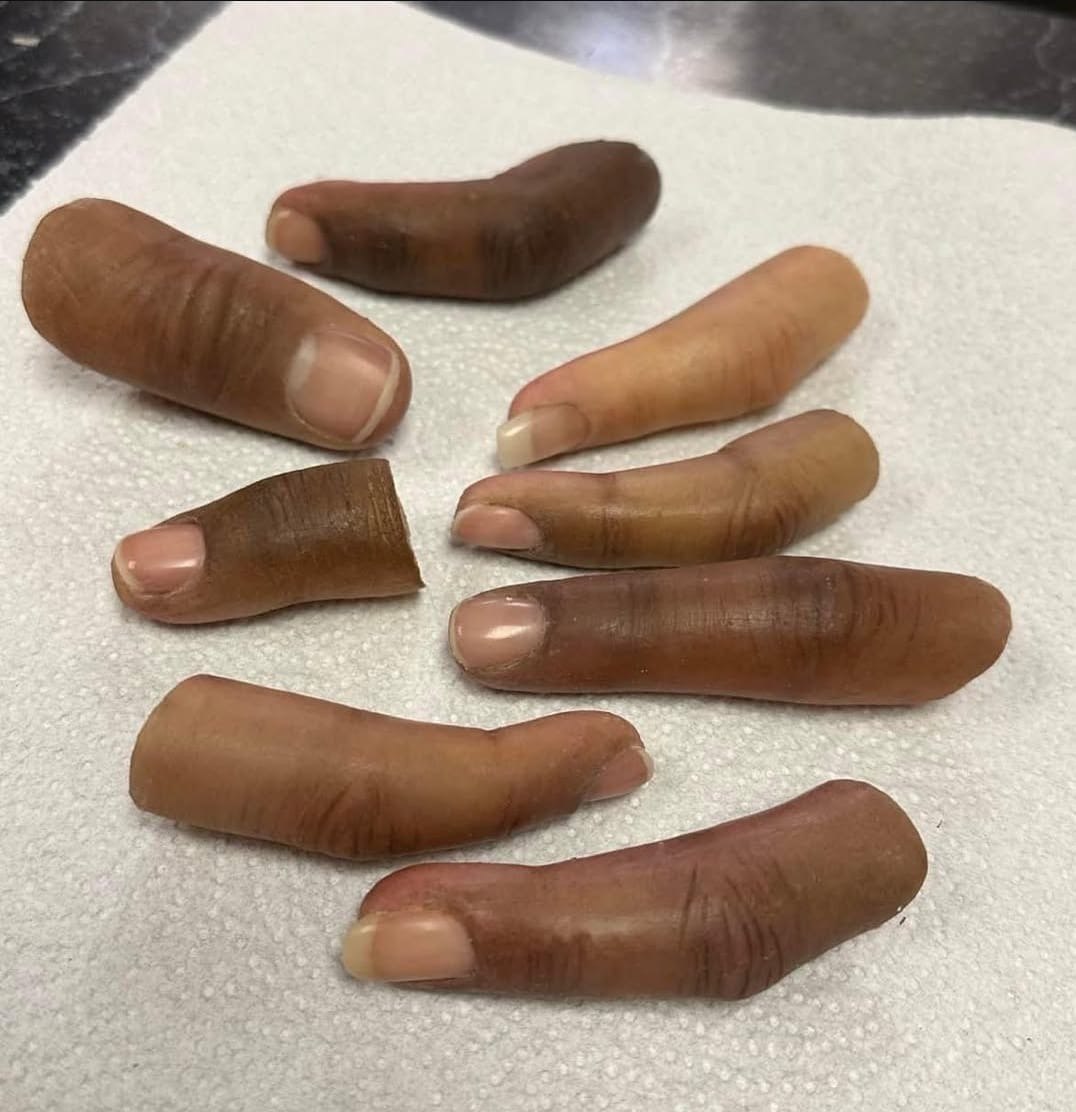
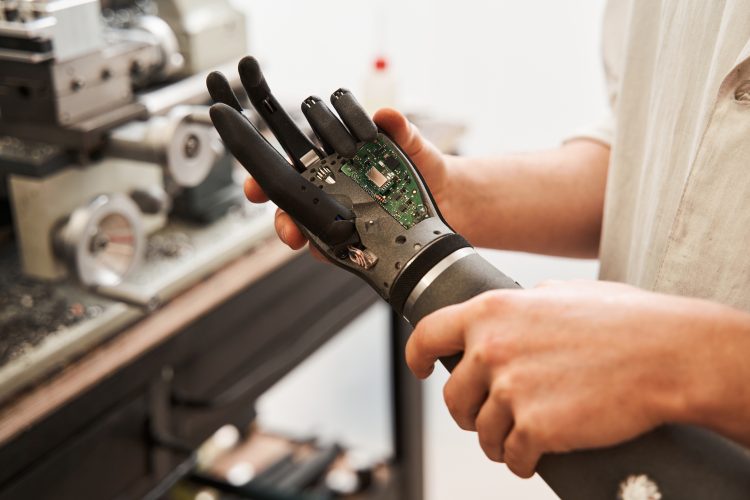
An ortho prosthesis (or orthopedic prosthesis) is an artificial device designed to replace a missing or damaged body part within the musculoskeletal system.
Its main purpose is to restore function, mobility, and/or appearance to the affected individual.
Key aspects include:
Replacement: Unlike an orthosis (which supports an existing body part), a prosthesis takes the place of a part that is completely missing or non-functional.
Examples: This includes external devices like prosthetic limbs (arms or legs) after an amputation, and internal surgical implants like artificial hip or knee joints.
Goal: To help the person regain independence and the ability to perform daily activities.
Custom
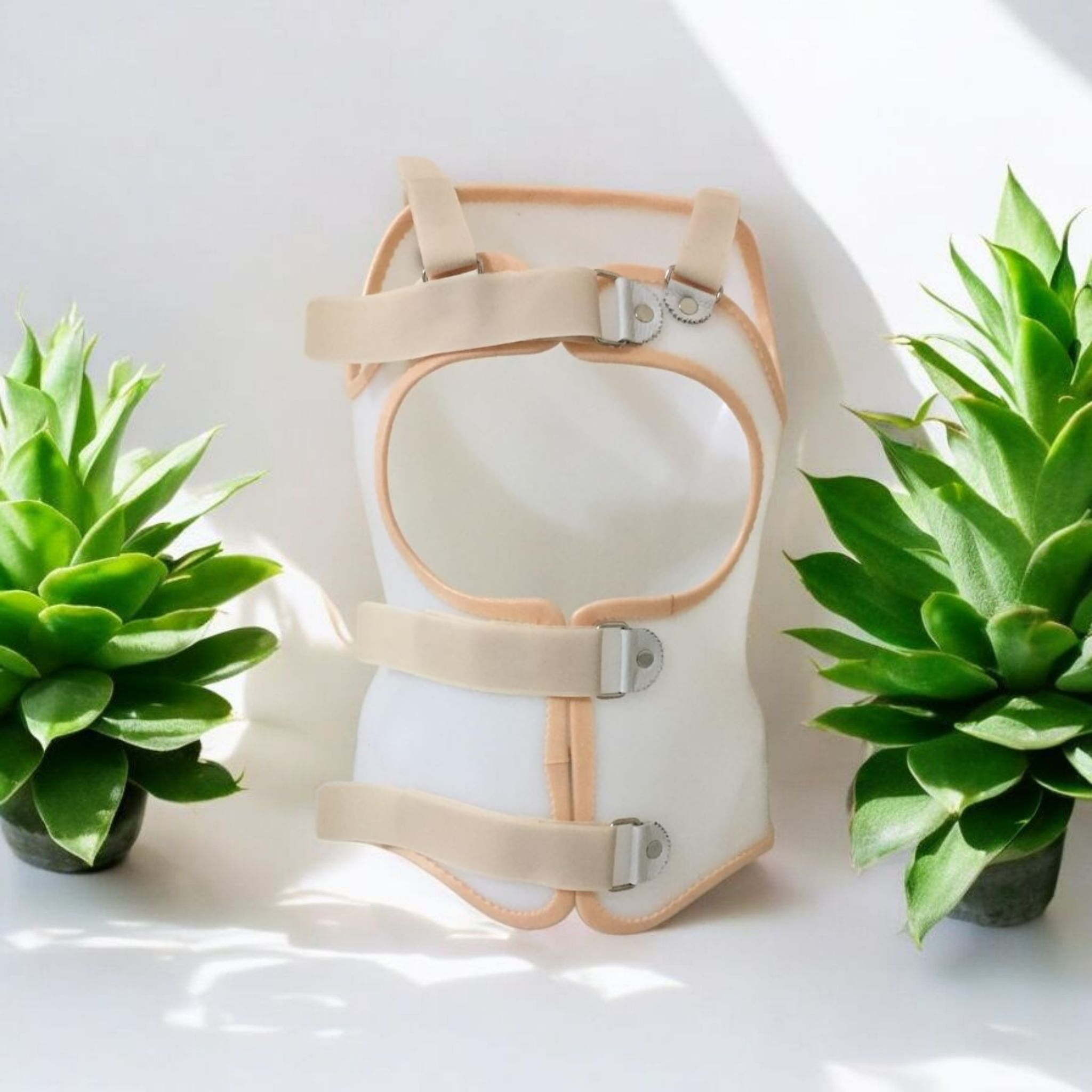
Spinal Brace
A spinal brace (or spinal orthosis) is a medical device designed to support, stabilize, and limit movement of the spine following injury, surgery, or to manage conditions like scoliosis, fractures, or instability.
The braces vary widely in design and material, ranging from soft, flexible wraps for mild support to rigid, custom-molded plastic devices for maximum immobilization.
Their primary goals are to:
Immobilize the spine to promote healing.
Stabilize injured or weak spinal segments.
Prevent further injury or the progression of a deformity.
Reduce pain by restricting painful movement.
The specific type of brace prescribed depends on the location and severity of the condition (e.g., LSO for the low back, TLSO for the mid-to-low back, or a Cervical Collar for the neck).
Spinal