
Providing comfort, style, and technology to improve your quality of life.
With over 15 years of experience, we are dedicated to providing the highest quality prosthetic solutions tailored to each individual's needs. Our team of certified prosthetists combines cutting-edge technology with compassionate care.
A Ghana and Africa where every person with physical disability has access to quality rehabilitation services and the opportunity to live a confident, fulfilling life.
To restore mobility, dignity, and independence by providing high-quality, affordable, and patient-centered prosthetic and orthotic services to persons with disabilities across Ghana.
Comprehensive evaluation to determine the best prosthetic solution for your unique needs and lifestyle.
State-of-the-art fabrication process ensuring perfect fit, comfort, and functionality.
Physical therapy and training to help you adapt to your new prosthetic and regain mobility.

Founder & Technical Director | QualityCare Prosthetics and Orthotics Solutions
Peter Courage Tawiah is a Ghanaian Prosthetist and Orthotist, healthcare entrepreneur, and rehabilitation advocate, and the Founder and Technical Director of QualityCare Prosthetics and Orthotics Solutions, a prosthetic and orthotic service provider committed to improving access to quality mobility and rehabilitation solutions in Ghana. With a strong passion for restoring mobility and improving the quality of life of persons with disabilities, Peter has dedicated his professional career to the assessment, design, fabrication, fitting, and rehabilitation of individuals requiring prosthetic and orthotic devices. His approach combines clinical expertise, patient-centred care, innovation, and a strong commitment to making assistive technology more accessible to people who may otherwise be unable to afford it. Peter began his professional training in Prosthetics and Orthotics in Ghana and subsequently advanced his education through an international programme with Human Study – School of Rehabilitation Sciences, in collaboration with Mahidol University, Thailand. His training has included intensive theoretical studies and practical clinical training, with exposure to contemporary prosthetic and orthotic principles and rehabilitation practices. Human Study has previously profiled Peter during his professional development and highlighted his commitment to advancing his clinical skills and eventually contributing to the education of future P&O professionals. He has also attained Associate Prosthetist and Orthotist certification through the International Society for Prosthetics and Orthotics (ISPO) and is registered with the Allied Health Professions Council of Ghana. His professional development has continued through his Bachelor of Science studies in Prosthetics and Orthotics, with practical and academic training involving institutions in Ghana and the Sirindhorn School of Prosthetics and Orthotics at Mahidol University in Thailand. Through QualityCare, Peter provides and oversees services including custom lower- and upper-limb prostheses, orthoses, prosthetic and orthotic assessment, fabrication, fitting, adjustment and repairs, gait training, rehabilitation support, and mobility solutions. The organisation's stated mission is centred on helping individuals regain mobility, independence, confidence, and participation in everyday life. Beyond clinical practice, Peter is passionate about innovation, local capacity building, disability inclusion, and the development of sustainable prosthetic and orthotic services in Ghana and across Africa. He is particularly interested in the application of modern technologies, including digital fabrication and 3D printing, to improve the accessibility, affordability, quality, and personalisation of assistive devices. A defining aspect of Peter's work is his commitment to serving people who face financial barriers to prosthetic care. Through QualityCare, he has supported individuals who would otherwise struggle to obtain the devices they need, including providing prostheses at no cost in selected cases. His work reflects a belief that mobility should not be a privilege reserved for those who can afford it. Peter's vision extends beyond providing devices. He seeks to build a sustainable rehabilitation ecosystem in which individuals with limb loss and physical disabilities can access appropriate technology, professional rehabilitation, education, and ongoing support. His guiding philosophy is simple: “We don't just provide prostheses and orthoses; we restore mobility, confidence, independence, and the opportunity to dream again.” Through his leadership at QualityCare, Peter continues to work toward a future where high-quality prosthetic and orthotic care is more accessible to people across Ghana and the wider African region.
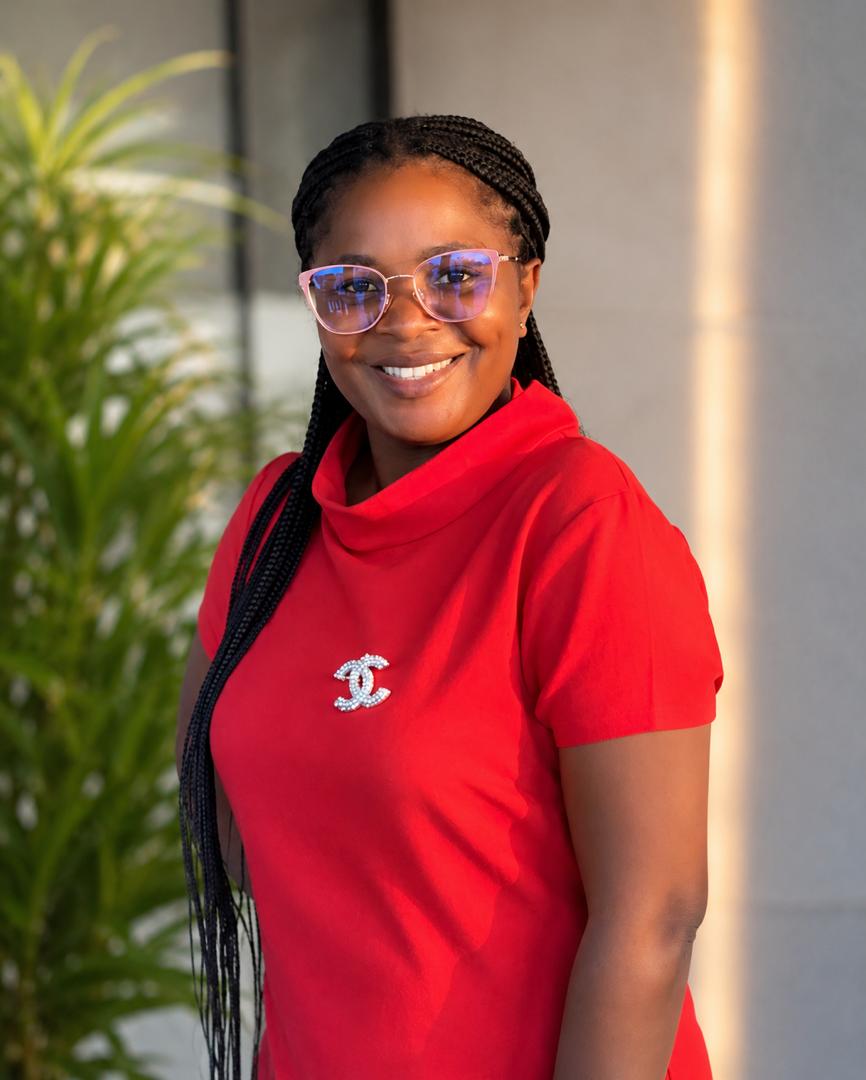
Prosthetics & Orthotics Technician | QualityCare Prosthetics and Orthotics Solutions
Rita Nartey is a dedicated Prosthetics and Orthotics Technician with over five years of professional experience in the provision of prosthetic and orthotic services. She is passionate about helping individuals with physical disabilities regain mobility, independence, confidence, and improved quality of life through appropriate rehabilitation and assistive technology. With her practical experience in prosthetics and orthotics, Rita is involved in the , fabrication, fitting, adjustment, maintenance, and repair of prosthetic and orthotic devices. She works closely with patients throughout their rehabilitation journey, ensuring that devices are appropriately fitted, functional, comfortable, and suited to each individual's needs and lifestyle. At QualityCare Prosthetics and Orthotics Solutions, Rita contributes to the delivery of patient-centred prosthetic and orthotic care, supporting the clinical and technical team in developing customised mobility solutions for individuals with limb loss and other physical disabilities. Her experience has enabled her to develop strong practical skills in prosthetic fabrication, orthotic fabrication, socket preparation and modification, device fitting, alignment, finishing, adjustments, and follow-up care. She also values teamwork and collaboration with clinicians, patients, caregivers, and other rehabilitation professionals to achieve the best possible outcomes. Rita is committed to continuous professional development and to improving the quality and accessibility of prosthetic and orthotic services in Ghana. Her dedication, practical expertise, and patient-centred approach make her an important member of the QualityCare team. Professional Philosophy: “Every device we create should not only restore function, but also give the person greater confidence and the freedom to participate fully in life.”
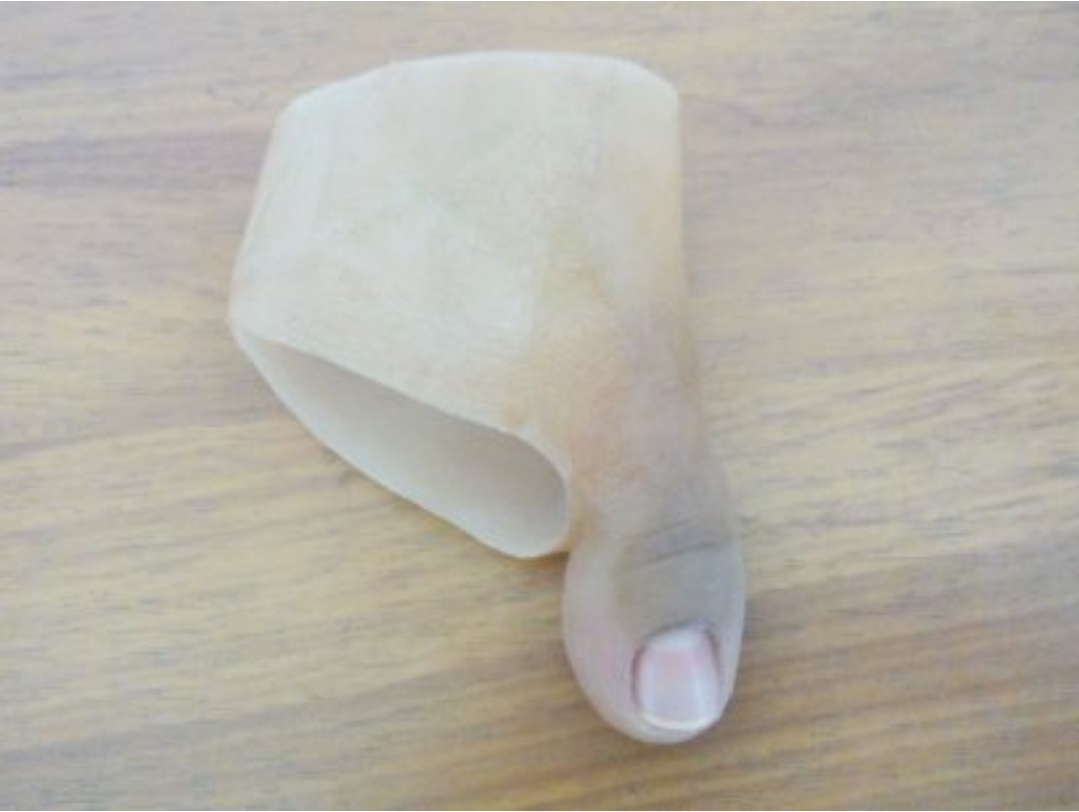
a custom-made toe prosthesis serves as a highly effective tool for recovering both form and function, helping the patient feel more comfortable and confident in their professional and social life. it cost 360 dollars
Leg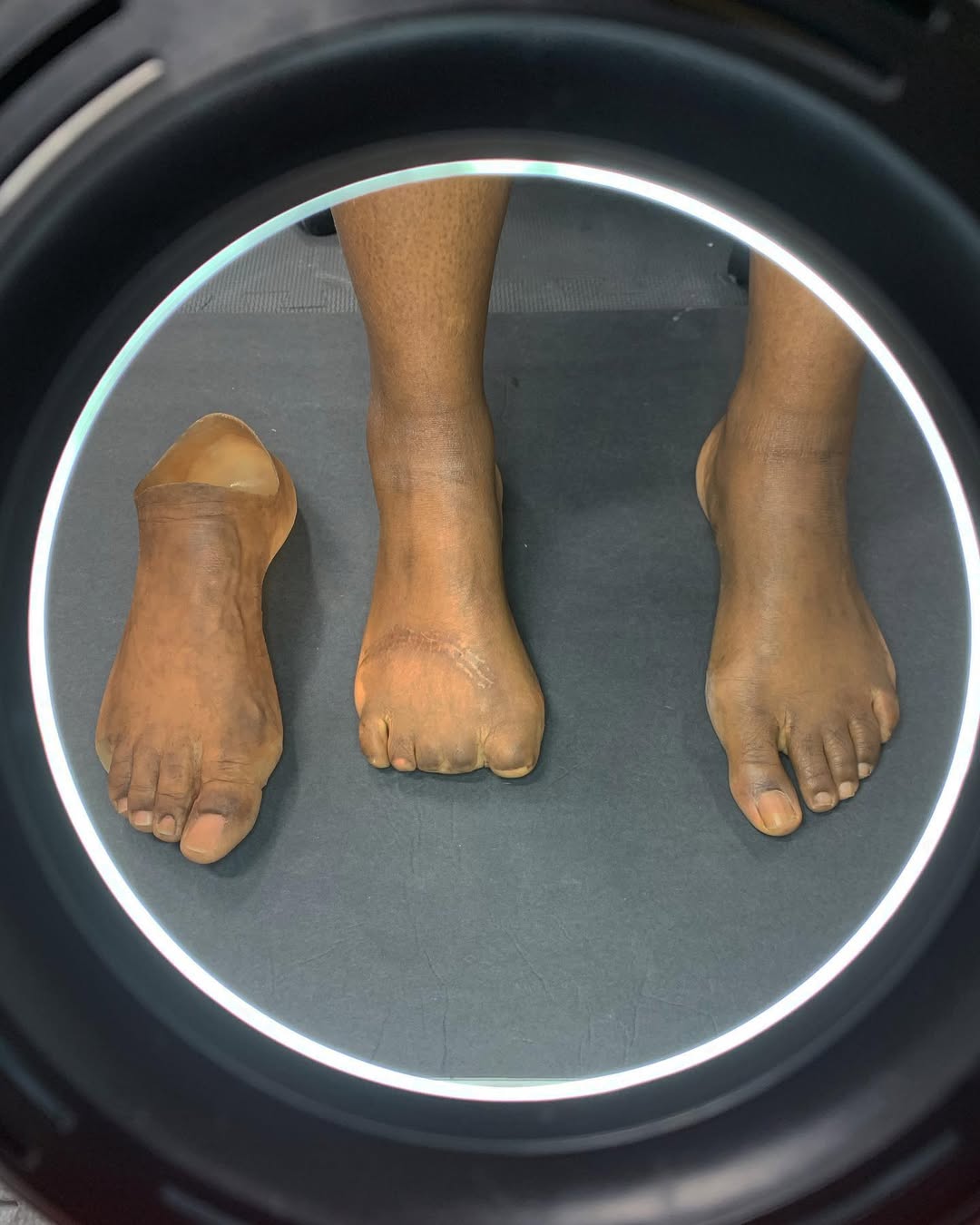
a custom-made foot prosthesis serves as a highly effective tool for recovering both form and function, helping the patient feel more comfortable and confident in their professional and social life. it cost 1350 dollars
Leg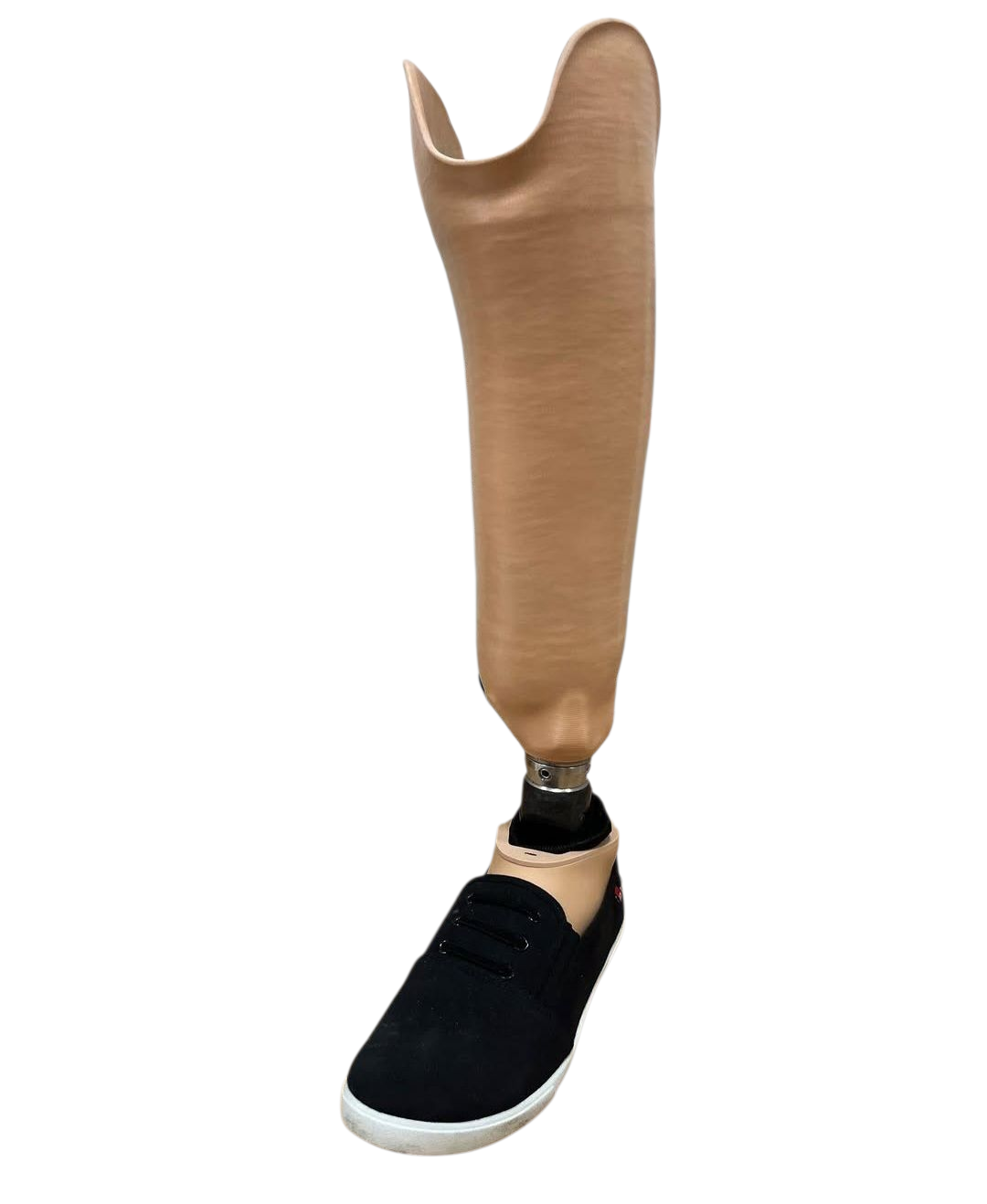
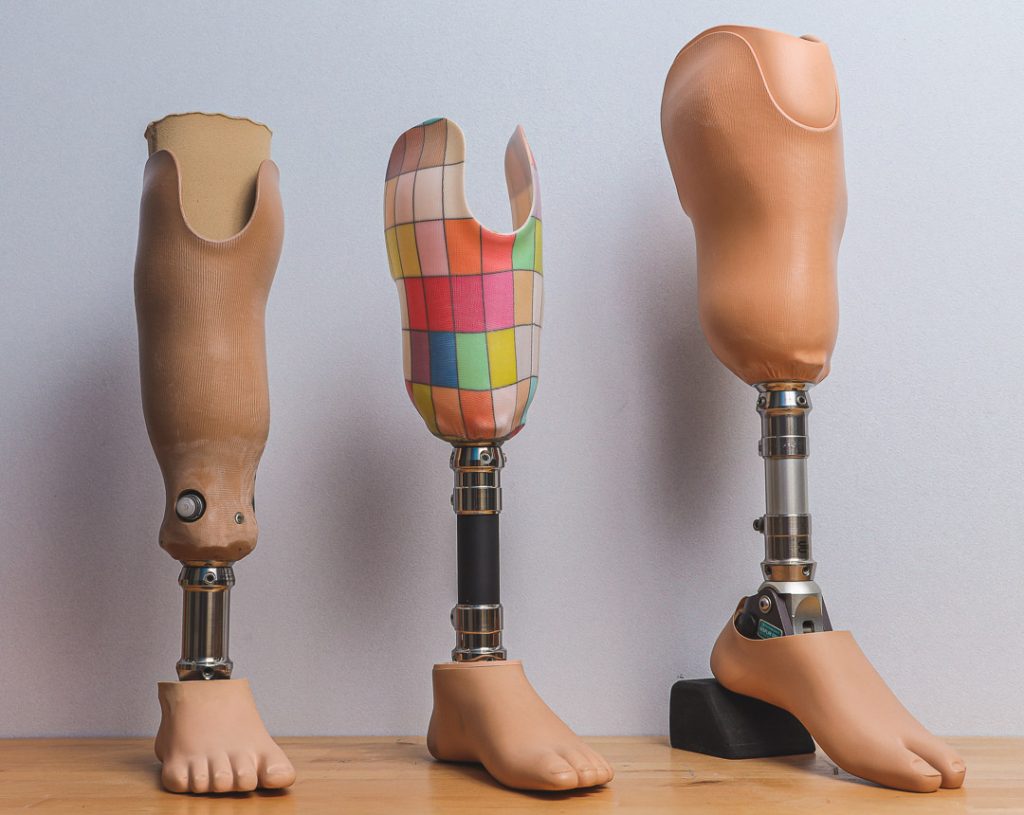
This is a cosmetically finished, transtibial (below-knee prosthesis, complete with a prosthetic foot (inside a shoe), a pylon, a skin-toned cosmetic cover, and a high-profile socket for fitting and suspension The price range start from 650 dollars to 1350 dollars
Leg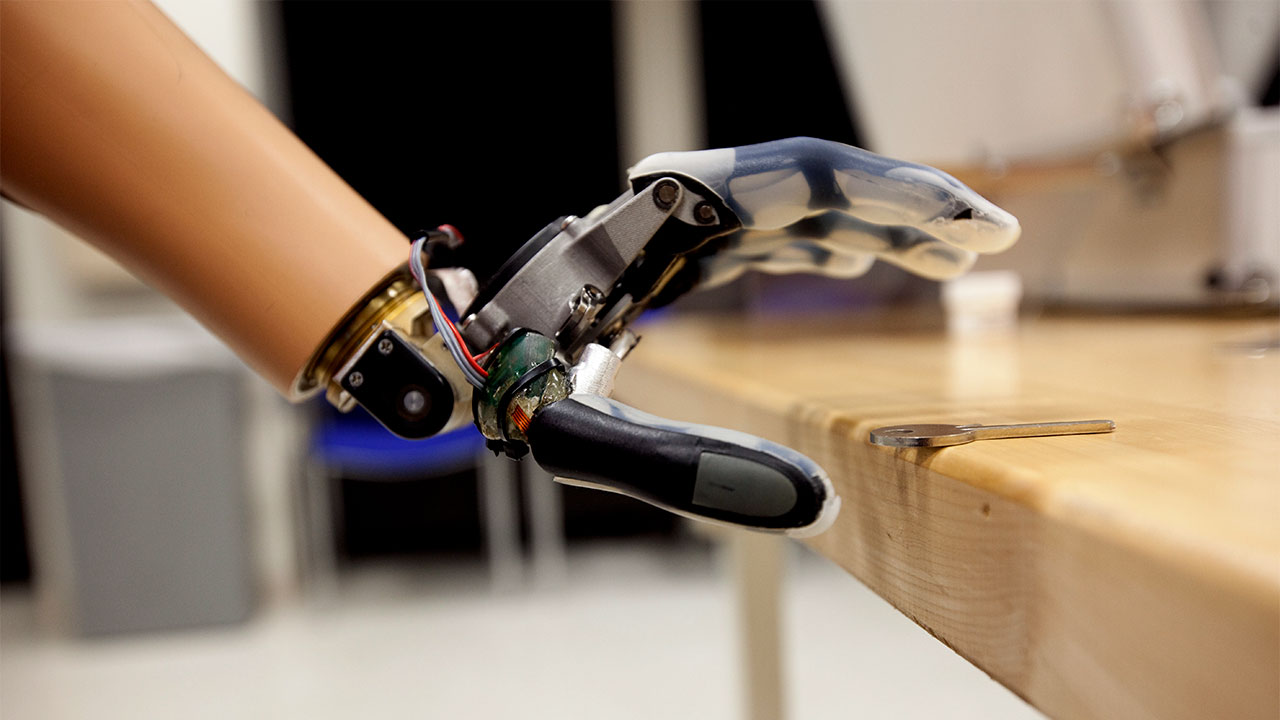
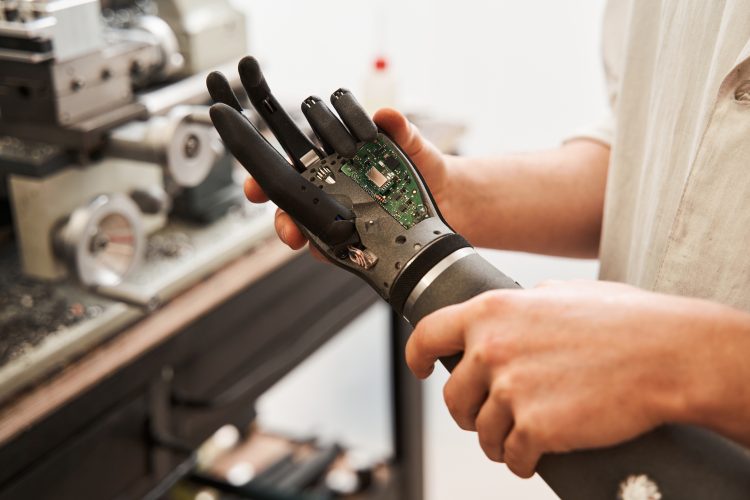
A hand prosthesis is an artificial device that replaces a missing hand or portion of a hand, with the primary goal of restoring function, appearance, or both. The choice of prosthesis depends on the user's needs, desired function, and amputation level. 📝 Key Types of Hand Prostheses 1. Cosmetic (Passive) | None (manual repositioning) |Realistic appearance, balance, support. | Most realistic appearance, lightweight, durable, lowest cost. | No active grip or movement, must be positioned manually. | 2. Body-Powered | Harness and Cable System | Functional grip (opening/closing). | Highly durable, reliable, provides force feedback, lower cost. | Requires physical effort to operate, less cosmetic, visible cables/harness. | | 3. Myoelectric (Bionic) | Muscle Signals (EMG) | Motorized grip, multi-articulating (individual finger movement). | Stronger grip, most natural control, highly cosmetic (no harness). | Heavier, requires battery charging, high cost, lacks direct force feedback. | 🛠️ Common Components * Socket/Interface: The custom-fitted receptacle that connects the prosthesis securely and comfortably to the residual limb. * Suspension System: The method used to keep the prosthesis attached (e.g., suction, pins, harnesses). * Terminal Device: The component at the end of the arm, which can be a prosthetic hand (cosmetic or functional) or a specialized hook. In essence, hand prostheses range from highly lifelike, static silicone models to complex, robotic devices controlled by the user's own muscle impulses, offering solutions that prioritize aesthetics, rugged reliability, or high-tech dexterity. Would you like a detailed comparison between Body-Powered and Myoelectric prostheses?
Hand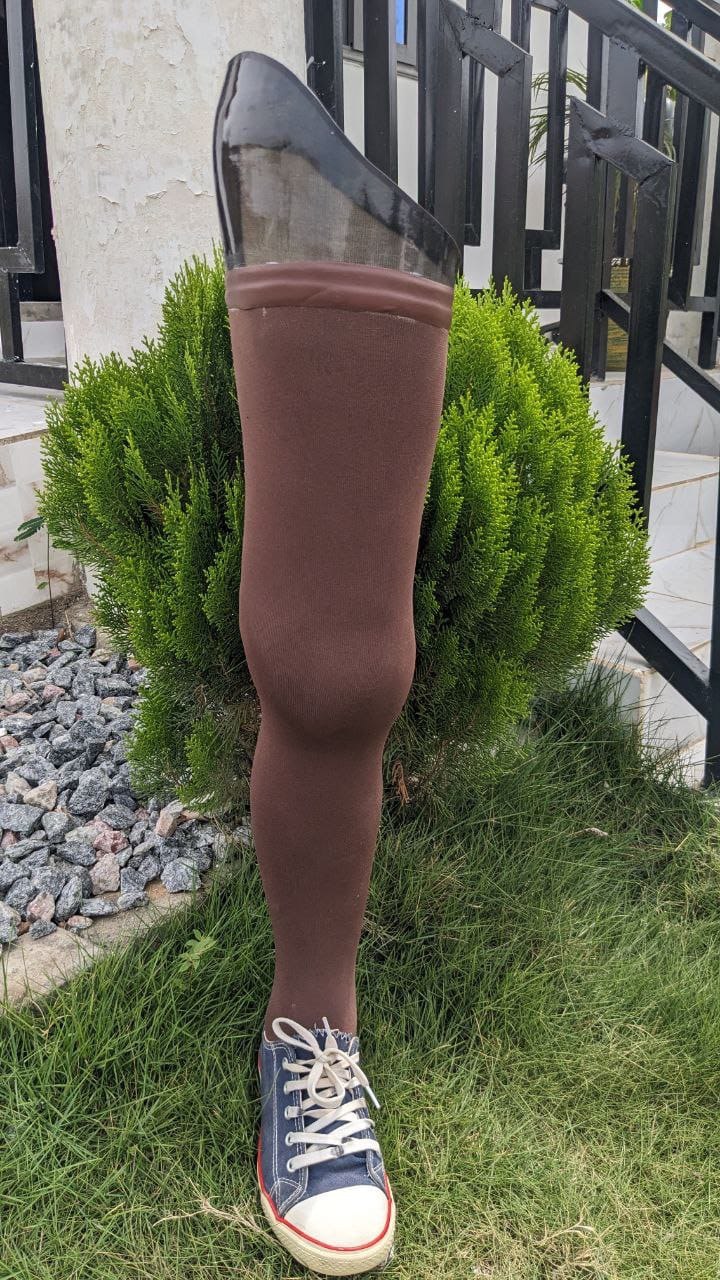
The above-knee (transfemoral) prosthesis is an artificial limb replacing a leg amputated above the knee. It restores mobility and replaces the functions of the thigh, knee, and foot. Key Components: It consists of four main parts: Socket: The crucial custom interface connecting the prosthesis to the residual limb. Knee Joint: The artificial mechanism (mechanical or microprocessor-controlled) that provides controlled flexion and extension. Pylon: The structural support column (often carbon fiber). Foot/Ankle: Provides balance, shock absorption, and propulsion. The price range start from 790 dollars to 2,194 dollars
Leg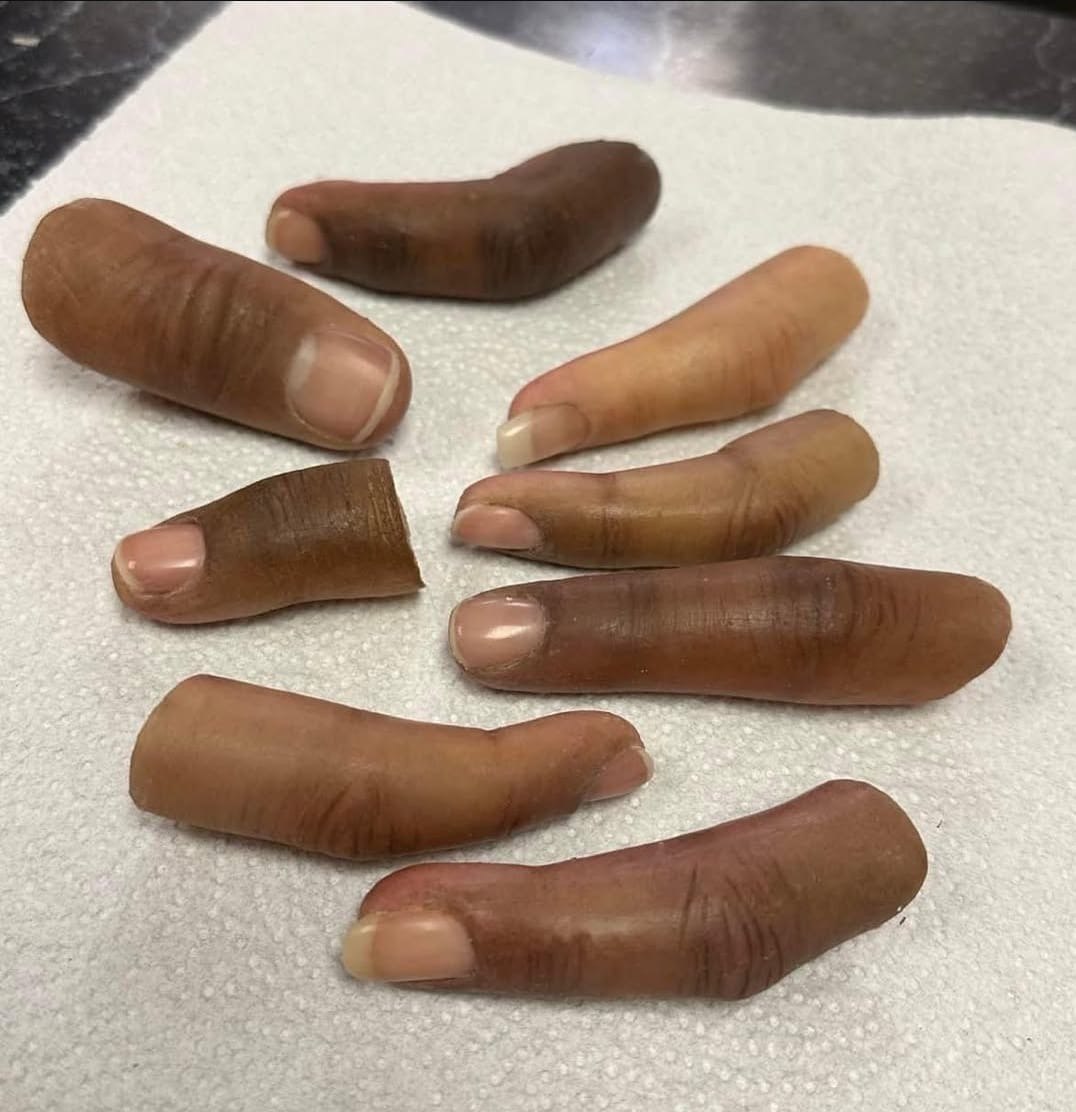
A custom-made finger prosthesis serves as a highly effective tool for recovering both form and function, helping the patient feel more comfortable and confident in their professional and social life. it one cost 270 dollars
Finger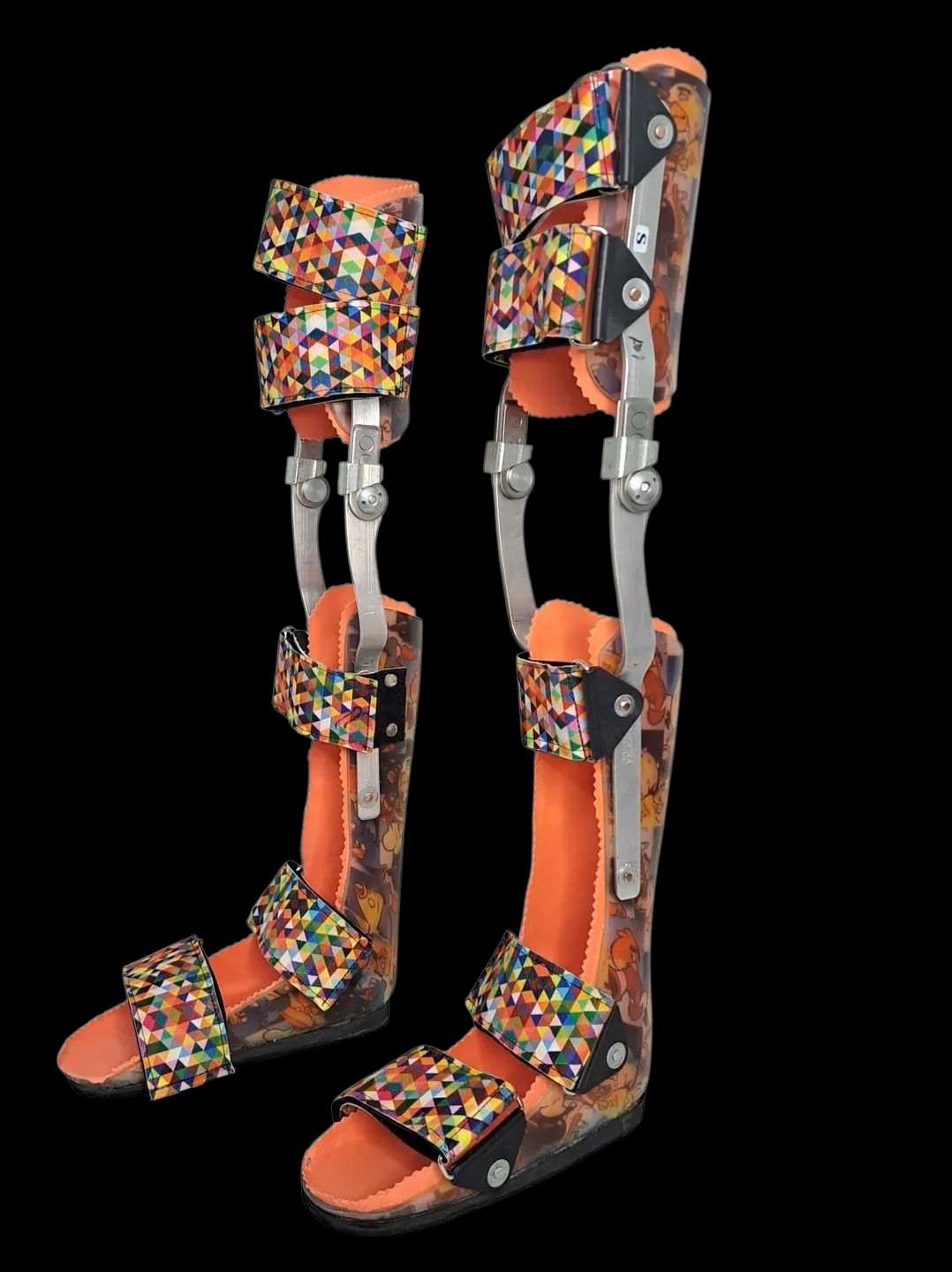
A Knee-Ankle-Foot Orthosis (KAFO) is a comprehensive, full-leg brace designed to provide support, stability, and correction for the entire lower limb, spanning the thigh, knee, A Knee-Ankle-Foot Orthosis (KAFO) is a comprehensive, full-leg brace designed to provide support, stability, and correction for the entire lower limb, spanning the thigh, knee, ankle, and foot. Primary Function To stabilize the knee joint (preventing buckling or hyperextension) while also controlling the ankle and foot. It acts as an external skeleton for the lower limb. Key Components Custom-molded thigh and calf sections connected by metal or carbon fiber uprights with a specialized knee joint and an Ankle-Foot Orthosis (AFO) component at the bottom. Indications (Uses) Prescribed for individuals with severe muscle weakness, paralysis, or significant joint instability affecting both the knee and ankle (e.g., Post-Polio Syndrome, Spinal Cord Injury, Muscular Dystrophy, or severe Stroke). | Main Goal To enable the user to stand and walk (ambulate) safely by ensuring joint alignment, reducing pain, and preventing unwanted or harmful motion. ⚙️ Types of KAFO Knee Joints The knee joint mechanism is the most critical feature and determines the KAFO's function: * Locked/Fixed KAFO: Provides maximum stability by manually locking the knee joint in a straight position. This prevents knee collapse but requires a less natural, high-energy gait (swinging the leg). * Stance Control KAFO (SCKAFO): An advanced system that locks automatically during weight-bearing (stance phase) for stability and unlocks automatically during the swing phase (when the foot is lifted) to allow the knee to bend, leading to a much more natural and energy-efficient walking pattern. * Microprocessor KAFO (MPKAFO): The most high-tech option (like the C-Brace), using sensors and microprocessors to continuously adapt the knee's resistance in real-time to the user's movements, providing optimal control on varying terrains and during stumble recovery. The KAFO is essential for restoring standing and walking ability when lower limb control is severely compromised. Would you like to know about the orthosis that extends even higher, the Hip-Knee-Ankle-Foot Orthosis (HKAFO)?
Lower limb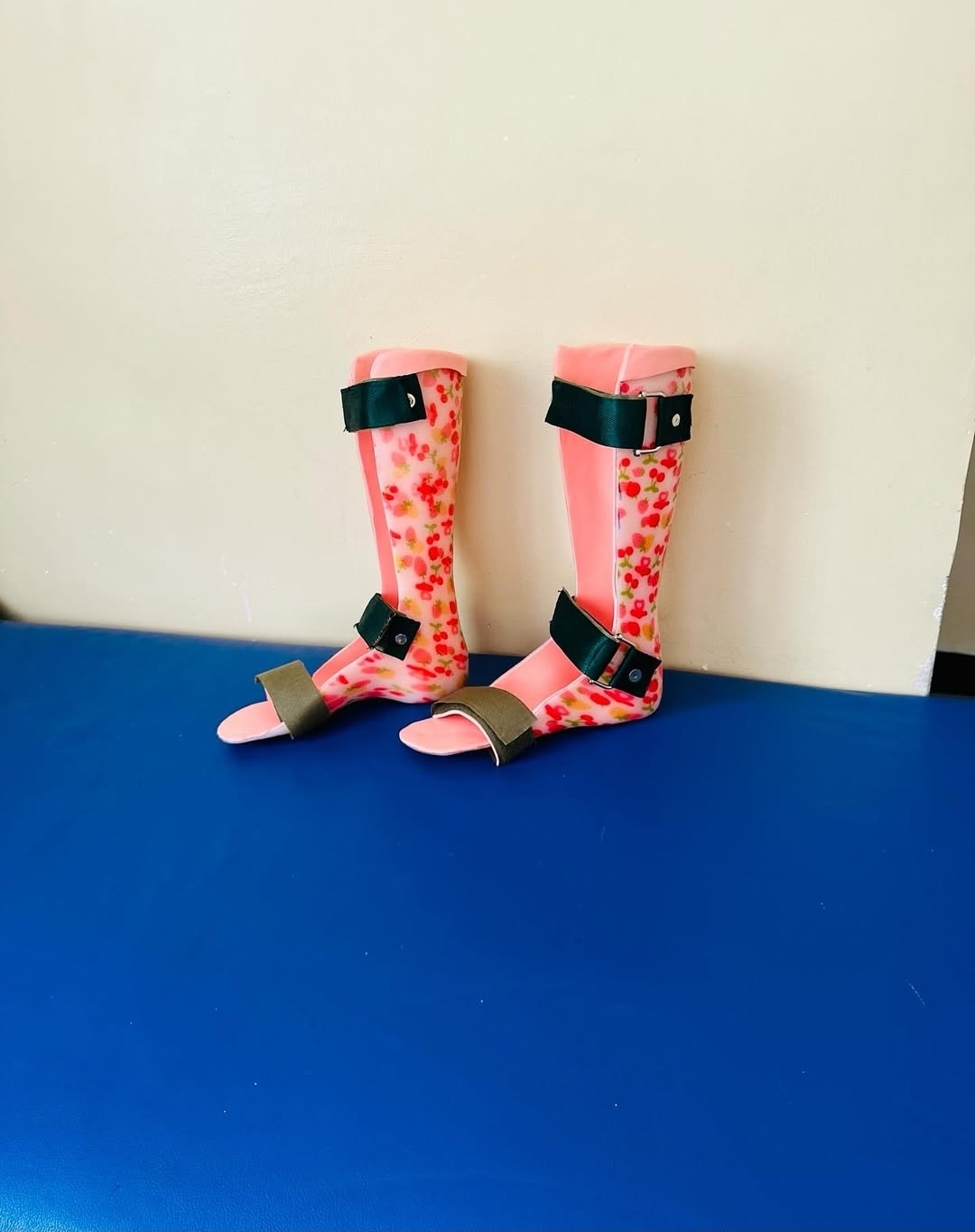
An Ankle Foot Orthosis (AFO) is an external supportive device, or brace, that encompasses the lower leg, ankle, and foot. They are custom-made or off-the-shelf and typically extend from just below the knee down to the foot. The main goals of prescribing an AFO are to improve a person's gait (walking pattern), stability, and mobility. Support Weak Muscles: They are frequently used to treat foot drop (or "drop foot"), a condition where weakness in the muscles prevents the person from lifting the front part of the foot while walking. The AFO helps to lift the foot, clearing the toes and preventing tripping. AFOs are used across a wide range of neurological and musculoskeletal disorders, including: Stroke (Cerebrovascular Accident) Cerebral Palsy (CP) Multiple Sclerosis (MS) Charcot-Marie-Tooth Disease Spinal Cord Injury Peroneal Nerve Injury Severe Ankle Arthritis Control Alignment: They stabilize the ankle and foot to ensure proper alignment, which is crucial for standing, balancing, and distributing weight efficiently. Prevent/Correct Deformity: They can manage high or abnormal muscle tone (spasticity) to prevent the development of permanent joint deformities. Improve Mobility: By providing stability and controlling the foot and ankle, AFOs can make walking safer, reduce the effort required, and allow the user to maintain activity for longer periods. Pain Reduction: Proper alignment and support can reduce strain on injured joints or tendons, thereby alleviating pain associated with various foot and ankle conditions.
Lower limb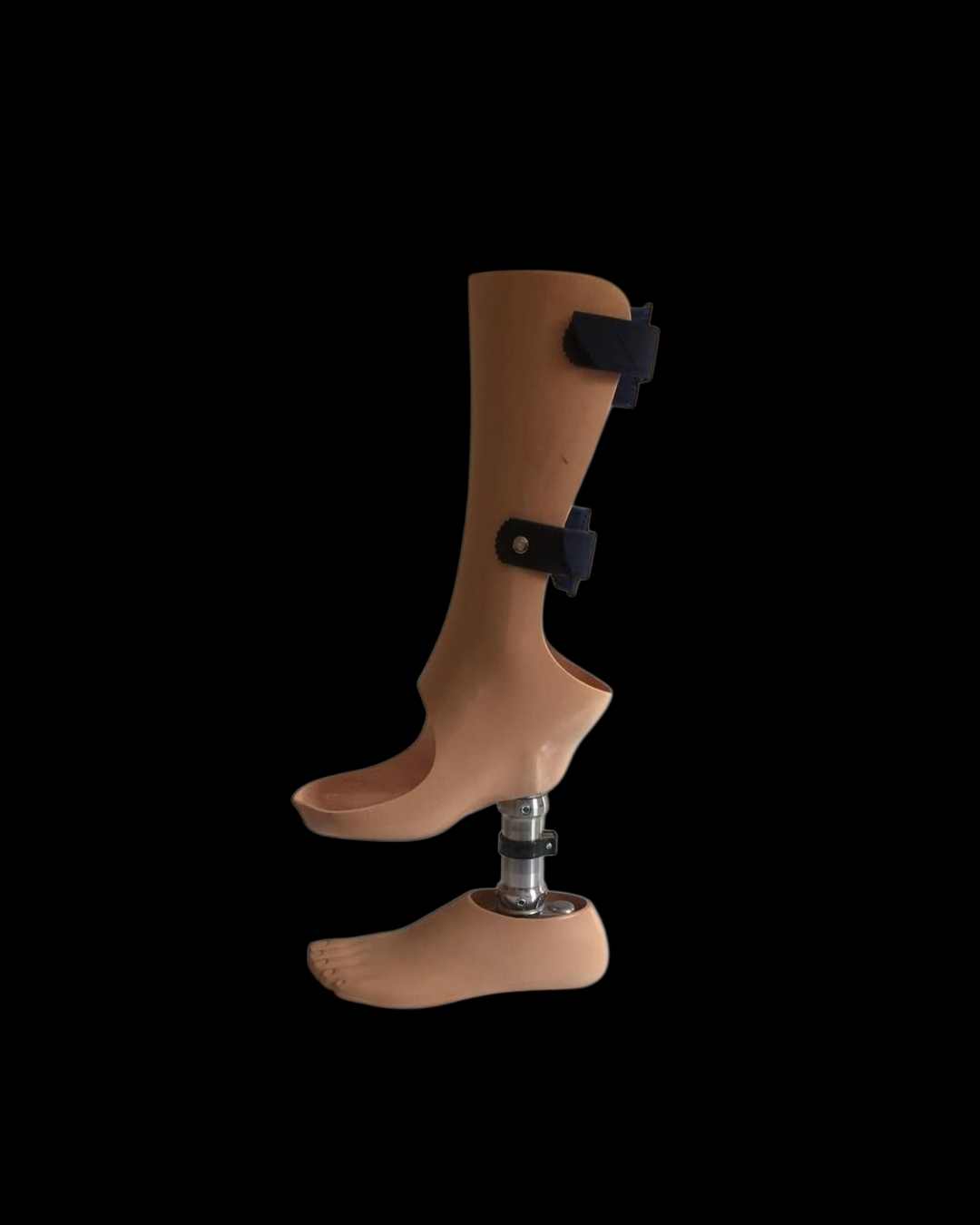
An ortho prosthesis (or orthopedic prosthesis) is an artificial device designed to replace a missing or damaged body part within the musculoskeletal system. Its main purpose is to restore function, mobility, and/or appearance to the affected individual. Key aspects include: Replacement: Unlike an orthosis (which supports an existing body part), a prosthesis takes the place of a part that is completely missing or non-functional. Examples: This includes external devices like prosthetic limbs (arms or legs) after an amputation, and internal surgical implants like artificial hip or knee joints. Goal: To help the person regain independence and the ability to perform daily activities.
Custom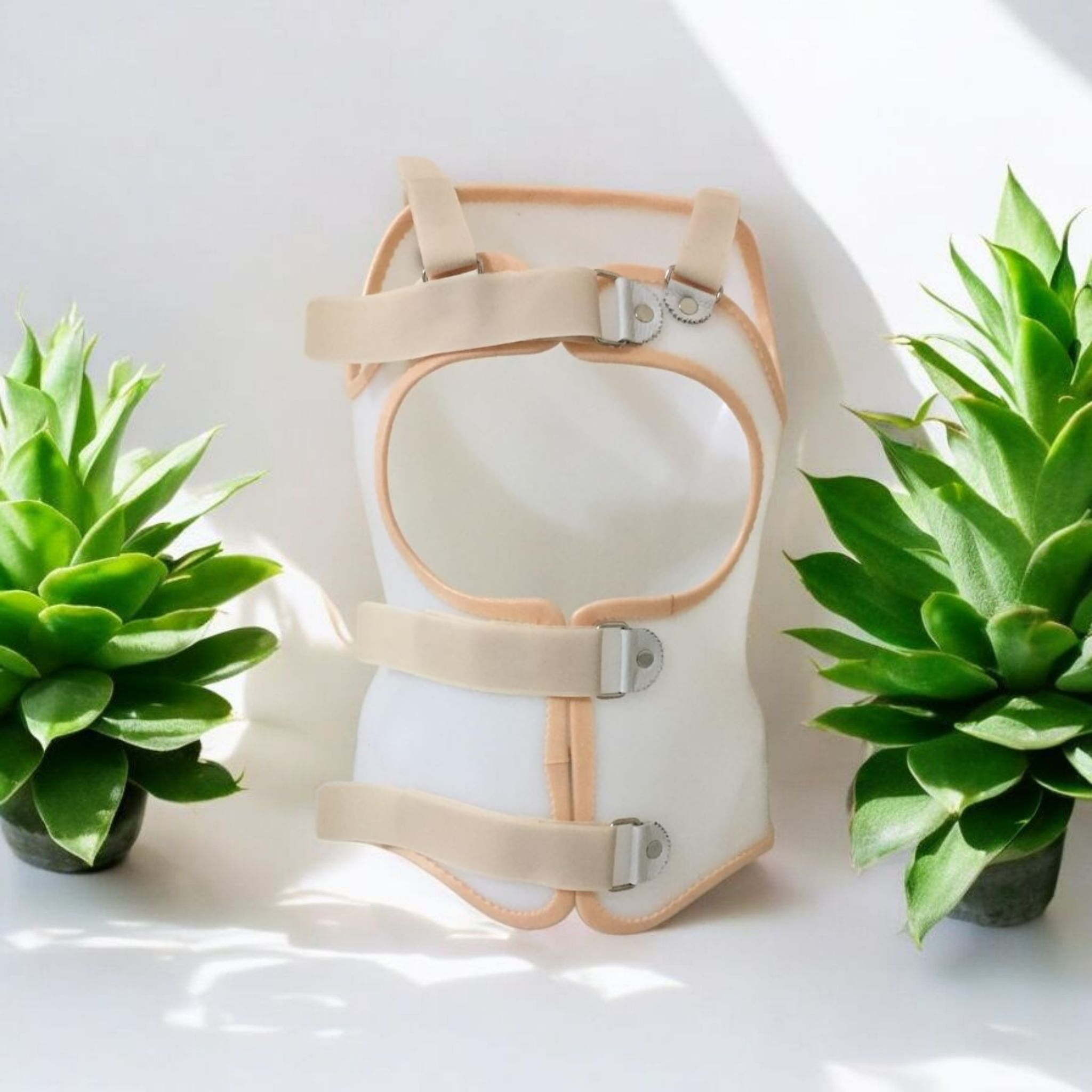
A spinal brace (or spinal orthosis) is a medical device designed to support, stabilize, and limit movement of the spine following injury, surgery, or to manage conditions like scoliosis, fractures, or instability. The braces vary widely in design and material, ranging from soft, flexible wraps for mild support to rigid, custom-molded plastic devices for maximum immobilization. Their primary goals are to: Immobilize the spine to promote healing. Stabilize injured or weak spinal segments. Prevent further injury or the progression of a deformity. Reduce pain by restricting painful movement. The specific type of brace prescribed depends on the location and severity of the condition (e.g., LSO for the low back, TLSO for the mid-to-low back, or a Cervical Collar for the neck).
SpinalThis is the story of a young beneficiary whose journey took him from the challenges of limb loss to renewed hope, mobility, and independence. Following his surgery, Hon. Dr. Edward Kofi Omane Boamah, Minister for Defence of Ghana, supported his medical treatment, while QualityCare Prosthetics and Orthotics Solutions stepped in to provide his prosthetic limb at no cost to him. For us at QualityCare, this is what prosthetic care is truly about—not simply providing an artificial limb, but helping people reclaim their independence, confidence, dignity, and ability to participate fully in life. We are deeply grateful to Hon. Dr. Edward Kofi Omane Boamah for his support and commitment to helping this young person through such an important chapter of his life. At QualityCare, we remain committed to ensuring that financial challenges do not prevent individuals from accessing the prosthetic care they need. A prosthesis can restore movement. Compassion and partnership can restore hope. #QualityCare #Prosthetics #MobilityForAll #RestoringHope #DisabilityInclusion #Ghana #ProstheticCare #SocialImpact
Your donation helps us provide prosthetic care to those who cannot afford it. Together, we can restore mobility and hope to individuals in need.
Your generous contribution will help provide prosthetic limbs, rehabilitation services, and ongoing support to those in need.
P. O Box GY94 - Nsawam
+233247125703
+23355588354
+233507881974
qualitycaresolutions4@gmail.com
Monday - Friday: 9:00 AM - 5:00 PM
Saturday: 10:00 AM - 2:00 PM